
Key Takeaways
A stairlift may be worth considering before a fall or urgent change makes the decision for you.
- Repeated unsteadiness, pain, fatigue, or fear on the stairs deserves attention.
- Planning early gives you time to compare staircase options, costs, and installation schedules.
- A professional home assessment can clarify which solution fits your staircase and routine.
Recognize the signs that stairs are becoming unsafe
Stairs can become difficult gradually, so you may adapt without realizing how much your routine has changed. Perhaps you hold the railing more tightly, take each step slowly, or wait until someone else is nearby. These are useful signals, not inconveniences to dismiss. If you are asking yourself, “when should I buy a stairlift,” start by looking honestly at how the stairs affect your daily life.
You feel unsteady, weak, or short of breath on the stairs
Feeling unsteady or unusually tired while climbing may make each trip feel like a test of concentration. You may pause at a landing, grip the railing with both hands, or need to catch your breath before continuing. Even if you have not fallen, a staircase that consistently leaves you feeling unsafe deserves a closer look.
Pay attention to whether the problem is new, getting worse, or appearing during ordinary trips rather than only after strenuous activity. A stairlift is not a substitute for medical advice, so discuss sudden or concerning symptoms with your healthcare professional as well.
You have experienced a fall, near miss, or loss of balance
A fall is an obvious warning, but a near miss can be just as revealing. If your foot slipped, your knee buckled, or you had to grab the wall to stay upright, consider what caused it and whether the same situation could happen again. Wet footwear, poor lighting, clutter, and rushing can all add difficulty.
One incident does not automatically mean you need a stairlift. It does mean you have useful information about your current risk and should not wait for a more serious injury before discussing safer ways to move between floors.
Pain or fatigue is changing how often you use the upper floor
You may notice that you sleep downstairs, postpone laundry, or avoid a favorite room because the trip feels too demanding. This kind of rearranging can seem practical at first, but it may gradually limit your use of your own home. Pain in the hips, knees, back, or feet can make repeated stair travel especially unpleasant.
The key question is whether the staircase is shaping your choices. If you are staying on one floor because getting upstairs has become painful or exhausting, a professional assessment can help you understand your options.
You avoid carrying items or using the stairs without help
Carrying laundry, groceries, or a drink while climbing requires attention, balance, and at least one hand free. If you now leave items at the bottom of the stairs, make several small trips, or ask someone to accompany you, your usual independence has already changed.
Look for patterns such as these:
- You wait for a family member before going upstairs.
- You leave essential belongings on the wrong floor.
- You avoid using the stairs while carrying anything.
- You rush because you feel nervous about stopping midway.
These changes do not automatically mean that a stairlift is the right answer, but they give a stairlift professional useful context about how you use your home. They also show why the decision should involve your routine, not just the staircase itself.
A health condition or recovery period may affect your mobility
Surgery, an injury, a neurological condition, or a period of reduced strength can change how safely you manage stairs. The change may be temporary, long term, or difficult to predict. Planning around it early can be more comfortable than trying to arrange equipment while you are already struggling.
Ask your care team about mobility restrictions and expected recovery, then share that information during a stairlift consultation. You may need a permanent solution, a temporary rental, or a different accessibility option altogether.Depending on your expected recovery and long-term mobility needs, a stairlift or another accessibility option may be appropriate.
Understand why waiting can create greater risks
Waiting is understandable. A stairlift can feel like a major change, and you may hope that exercise, extra help, or simply taking your time will solve the problem. Sometimes those measures are enough; sometimes they only postpone a decision that will eventually become urgent. Early planning gives you room to make a calm choice based on your home and needs.
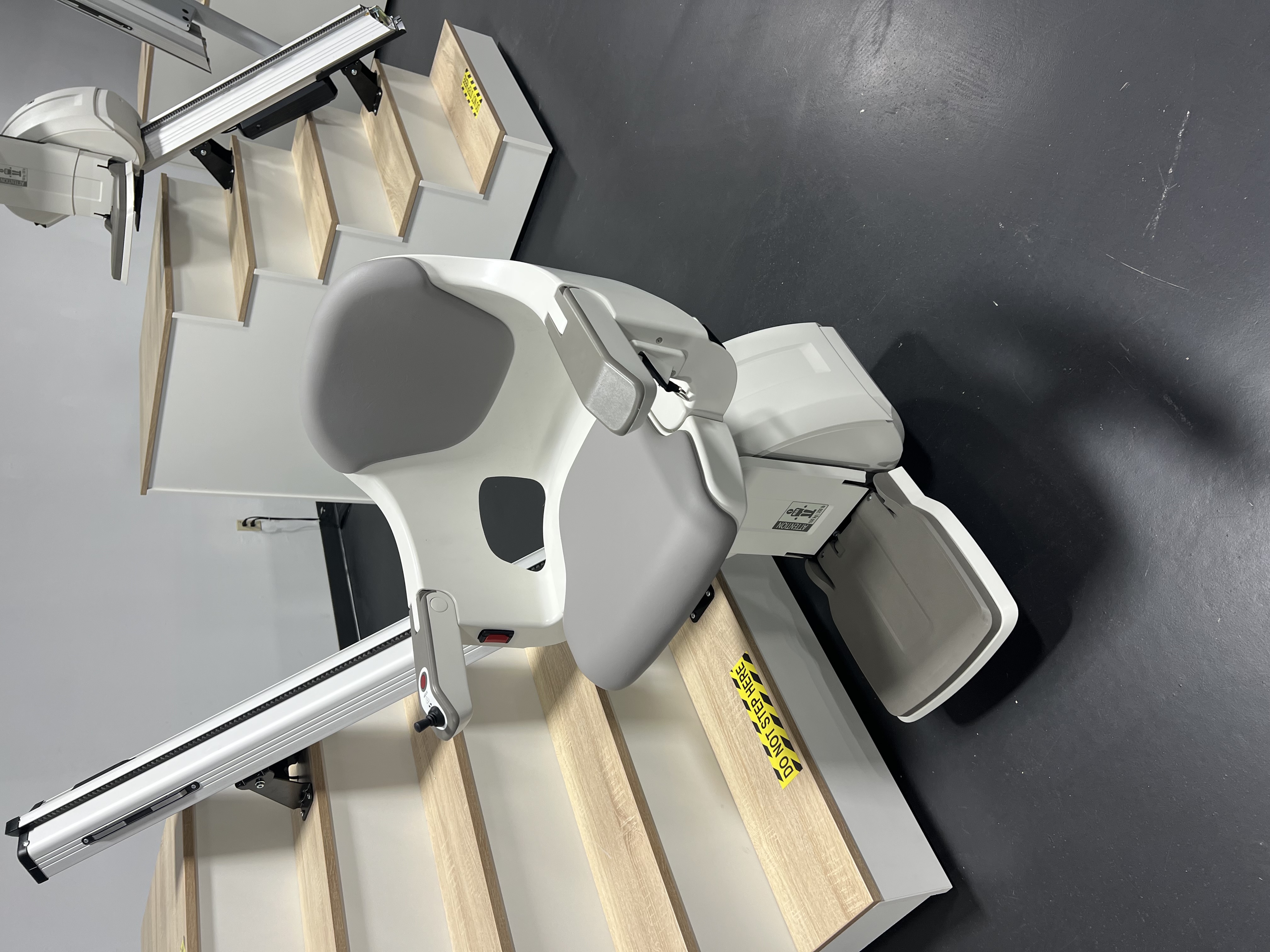
How stair-related falls can affect independence
A fall can affect more than your physical comfort. You may become less willing to bathe, cook, visit another room, or leave the house if you are worried about another accident. Recovery can also mean relying on relatives or rearranging where you sleep and keep daily necessities.
Reducing difficult stair trips may help you keep using more of your home. The goal is not to remove every challenge from daily life; it is to make an important route more manageable and preserve choices where possible.
Why relying on another person may not be a long-term solution
Family support can be warm and practical, but it may not be available whenever you need it. Relatives have work, appointments, health needs, and homes of their own. Depending on someone to stand beside you on every stair trip can also be uncomfortable for both of you.
A properly selected stairlift can give you more control over ordinary routines, while family help remains available for tasks that genuinely require it. over ordinary routines, while family help remains available for the tasks that genuinely require it. Independence can include accepting support without making another person responsible for every movement around your home.
The challenges of arranging equipment after an emergency
After a fall or hospital discharge, decisions often happen under pressure. You may be comparing equipment while managing appointments, temporary sleeping arrangements, and concerns from family members. The first available option may not be the best match for the staircase or the person using it.
An earlier conversation lets you ask about measurements, installation, service, and cost before those questions become urgent. It also gives you time to involve the people who will help operate or maintain the equipment.
Plan Early for Surgery or Temporary Mobility Changes
If you are preparing for surgery, recovering from an injury, or expecting a period of limited mobility, discuss your home’s staircase with your healthcare team before returning home. Early planning gives you time to evaluate whether a stairlift is appropriate for your expected recovery and long-term needs.
A professional stairlift assessment can evaluate the staircase, user requirements, installation options, and anticipated length of use. If a stairlift is not the appropriate solution, your healthcare team may recommend another safe way to move between floors.
How a stairlift can support aging in place
A stairlift may help you remain in a familiar Florida home instead of moving solely because one staircase has become difficult. It can support access between floors while you continue making decisions about care, remodeling, or future housing. The right choice depends on your mobility, layout, budget, and expected duration of use.
The idea is not to wait until you cannot manage the stairs at all. A consultation can be useful while you can still explain your routine and participate fully in choosing a solution.
Decide whether a stairlift fits your staircase and needs
Not every staircase calls for the same equipment. A straight indoor staircase may allow a relatively standard approach, while turns, landings, outdoor exposure, or limited space may require more planning. Your preferred solution also depends on how you transfer into the seat, where you need to stop, and whether another person uses the stairs.
When a straight stairlift may be suitable
A straight stairlift is generally intended for a staircase without turns or intermediate landings. It may be suitable when the route runs directly from one floor to another and there is enough room for safe entry and exit. You can review the basics of straight stairlifts before an assessment, but the installer still needs to evaluate your actual staircase.
A straight design does not mean every installation is identical. Rail length, top and bottom clearance, user needs, and installation conditions can affect the recommendation.
When a curved stairlift requires custom planning
A staircase with a bend, curve, spiral section, or intermediate landing usually calls for a rail designed around the individual layout. The installer may need to consider where the lift starts and ends, how it travels around corners, and whether other household members can use the remaining stair width.
Because the rail is individually designed, a curved stairlift generally involves more preparation than a standard straight installation. Ask for a personalized assessment rather than relying on a photograph or a general online estimate.
Options for outdoor or more complex staircases
Exterior stairs leading to a porch, garage, or entrance create additional environmental considerations. Rain, heat, humidity, drainage, and exposure can influence the equipment and installation approach. Outdoor stairlifts are intended for exterior staircases, but the property still needs an assessment.
Complex indoor layouts may also be approached with custom curved equipment. The most useful first step is to describe the complete route, including landings, doors, and the places where you need to enter or leave the lift.
When a Stairlift May Not Be the Right Solution
A stairlift requires the user to transfer safely into and out of the seat. It may not be appropriate when the person cannot transfer safely, cannot remain seated securely, or when the staircase and surrounding space cannot accommodate the equipment.
A professional assessment can identify these concerns before a purchase is made. Your healthcare team can also help determine whether seated stair travel is appropriate for your mobility needs.
That keeps the article honest and helpful without promoting vertical lifts or ramps. Also link “outdoor stairlifts” to your existing outdoor-stairlift article if it isn’t already linked.
Factors such as staircase width, landings, and home layout
An installer looks beyond whether the stairs appear straight or curved. Width, landings, doorways, floor levels, power access, and clearances all matter. So does the location of a chair or mobility aid when you reach the top or bottom.
The following comparison can help you organize the conversation, though it is not a substitute for measurements:
| Home situation | Option to discuss | Main planning question |
|---|---|---|
| Straight indoor stairs | Straight stairlift | Is there safe room at both ends? |
| Turns or intermediate landings | Curved stairlift | How should the rail follow the layout? |
| Exterior steps | Outdoor stairlift | How will weather and access affect installation? |
After you describe the household’s routine, an assessor can explain which options are realistic. A solution that works well for one Florida home may not fit another with a similar-looking staircase.
Choose the right time to start the buying process
The best time to begin is usually before the situation becomes an emergency. You do not need to commit to a purchase simply because you request information. Starting early lets you understand the process, learn what your staircase requires, and decide whether purchasing a stairlift now or continuing to plan is appropriate.
Planning before a fall, surgery, or major mobility change
If you already know that surgery or treatment may affect your strength, arrange a conversation before the change occurs. You may not need equipment immediately, but knowing the likely options can make discharge planning less stressful. The same applies if you notice a steady decline in balance or confidence.
Planning is especially useful when family members live elsewhere. They can participate in decisions without trying to solve everything during a crisis.
Allowing time for an in-home assessment
An in-home assessment gives the installer a chance to look at the staircase, access points, landings, and the user’s movement pattern. You can explain where you need to get on and off, whether anyone else uses the stairs, and what concerns you have about operating the lift.
A home visit also makes the recommendation more specific than a generic online answer. Prepare to ask what happens next, what information is included in the quote, and which conditions could change the timeline.
Why custom curved stairlifts may need additional design and manufacturing
Curved equipment must follow the individual staircase rather than a standard straight rail. Measurements and design work come before manufacturing, so the process generally takes longer than preparing a straight installation. The exact schedule depends on the staircase, product, availability, and installation requirements.
That does not make a curved stairlift impractical. It simply means you should begin before you are facing a deadline, especially if the upper floor is essential to your daily routine.
When fast installation may be possible for a straight staircase
A straight staircase may qualify for fast or next-day installation when the appropriate product is available and the home, location, and schedule allow it. This is not guaranteed for every staircase or customer. Confirm current availability rather than planning around an assumed installation date.
For a clearer picture of the process, you can read about stairlift installation and use your consultation to identify any preparation needed before the installer arrives.
How product availability and scheduling affect timing
Timing can change because of inventory, staircase configuration, design requirements, travel distance, and technician schedules. Weather or home preparation may also matter for an outdoor project. Ask for an estimated timeline in writing and find out what could delay it.
If you are coordinating surgery, a move, or a family visit, share that date early. A provider may be able to explain what is realistic, even if the final schedule cannot be promised until the assessment is complete.
Understand Stairlift Costs and Available Payment Options
Cost is part of a responsible decision, but the lowest initial figure may not be the least expensive choice over time. Consider how long you expect to use the equipment, whether the staircase needs custom work, and what service is included. Florida homeowners should also ask about current pricing rather than relying on an old online example.
When purchasing may make sense for long-term use
Buying may be sensible when you expect to use the stairlift for an extended period or when your mobility needs are unlikely to be brief. Ownership provides a lasting solution that remains available whenever you need to move between floors.
NewDay Mobility may offer straight stairlifts starting at $3,990 installed, when applicable, but actual pricing depends on the model, rail, staircase, options, installation requirements, location, and current promotions. A curved stairlift requires a personalized quote rather than a fixed published price.
How buy-back options may affect your decision
A buy-back option may matter if you expect your circumstances to change or want to understand what happens when the equipment is no longer needed. Eligibility is not automatic, and value can depend on the equipment’s condition, use, and program rules. Ask whether the option applies to the specific lift and installation under consideration.
Treat a possible future buy-back as one factor, not a guaranteed return. Your main decision should still focus on safe access and an appropriate fit today.
What influences the total cost of a stairlift
The staircase configuration is only one part of the estimate. The lift model, rail length, options, installation conditions, location, and current availability may all affect the final amount. Curved and outdoor projects can require different planning from a standard straight indoor installation.
For a broader overview, compare the factors in this Florida stairlift cost guide, then request a current quote based on your own home. General market information cannot replace a personalized assessment.
Questions to ask about financing, warranties, and ongoing service
Ask what financing options may be available to qualified customers and what approval or promotional terms apply. Also confirm whether the lift qualifies for a lifetime warranty, what components are covered, and how service is handled after installation. Programs and terms can change, so written details matter.
NewDay Mobility offers financing options to qualified customers and a lifetime warranty on qualifying stairlifts, with coverage depending on the product, model, component, and current program. Confirm the exact terms before making a decision.
Prepare for a professional stairlift recommendation
A good recommendation starts with a complete picture of your home and routine. You do not need to know the technical answer before the visit. Your job is to describe what is difficult, what you need to carry, and what you hope to keep doing independently.
Information to gather about your mobility and daily routine
Write down when the stairs are hardest, whether you use a cane or walker, and where you need to stop at each floor. Note recent falls or near misses, pain or fatigue, and whether your condition is expected to change. If someone is helping you research, include their observations without losing your preferences.
It is also useful to gather the approximate age of the home, any plans for remodeling, and the names of clinicians or therapists involved in your mobility care. These details can make the assessment more focused.
What an installer evaluates during a home assessment
The installer examines the stair shape, width, landings, top and bottom clearances, entrances, and the surrounding layout. They also consider how you will transfer onto the seat or platform and where the equipment can be parked without blocking normal household movement.
Bring your questions and ask the installer to explain the recommendation in plain language. If a different solution would be safer or more practical, a trustworthy assessment should make that clear.
How installation and post-installation service support safety
Professional installation helps ensure that the equipment is fitted to the staircase and checked before you use it independently. You should receive guidance on operation and have an opportunity to practice. Ask who to contact if the lift stops, makes an unfamiliar noise, or responds differently than expected.
NewDay Mobility provides professional installation and continued service after installation. If a lift later needs attention, stairlift repair may be available for various models, including some not originally installed by the company; confirm current service availability for your equipment.
Questions to ask about features, maintenance, and repairs
Before agreeing to a purchase or rental, ask for the information you would want six months from now. Clear answers can prevent confusion about daily use, servicing, and costs.
- How do you operate the lift safely from each floor?
- Which maintenance tasks are expected from the homeowner?
- What does the warranty cover, and for how long?
- Who handles repairs, and how should you report a problem?
- What happens if the lift is no longer needed?
Keep the answers with your quote and installation paperwork. If family members may operate or supervise the lift, make sure they understand the same instructions.
How to request current pricing and availability from NewDay Mobility
When you contact NewDay Mobility, share whether your staircase is straight, curved, or outdoors, along with the Florida county where you live and whether your need is temporary or long term. Explain any recent fall, upcoming surgery, mobility aid, or scheduling deadline. That information helps the team discuss the appropriate stairlift or another home mobility solution.
NewDay Mobility serves homeowners throughout its Florida service area, including counties such as Orange, Seminole, Brevard, Broward, and Palm Beach, with availability depending on location and project requirements. For a current assessment and next steps, you can request a consultation rather than relying on a general price or installation promise.
Talk Through Your Options
If stairs are becoming a source of worry, contact NewDay Mobility to discuss a stairlift, rental, vertical platform lift, ramp, or another mobility option suited to your home. A professional conversation can help you understand current availability, pricing, and the path forward.
Conclusion
The right time to buy a stairlift is often before a fall, emergency, or major loss of mobility forces a rushed choice. If stairs are affecting your confidence, pain level, independence, or daily routine, begin with an honest assessment and a professional look at your home. With the right information, you can choose a solution that supports safer movement and continued comfort in the Florida home you know.
Frequently Asked Questions
When should I buy a stairlift?
Consider starting the process when stairs consistently cause unsteadiness, pain, fatigue, fear, or dependence on another person. Planning before an emergency gives you more time to compare options and arrange an assessment.
Do I need a stairlift if I have not fallen?
Not necessarily, but a fall is not the only warning sign. Avoiding stairs, feeling unstable, needing help, or changing how you use your home can all justify learning about mobility options.
Is a straight stairlift suitable for every straight staircase?
A straight stairlift may suit a staircase without turns or intermediate landings, but the installer still needs to assess width, clearances, landings, access points, and the user’s routine before recommending equipment.
How long does it take to get a curved stairlift?
Curved stairlifts generally require measurements, individual rail design, and additional manufacturing before installation. The timeline depends on the staircase, equipment availability, design, location, and scheduling.
Can a stairlift be installed outdoors?
Outdoor stairlifts are available for some exterior staircases, including routes to entrances, porches, or garages. The property should be assessed for weather exposure, access, drainage, power, and the shape of the stairs.
What if a stairlift is not the right solution?
A vertical platform lift or accessibility ramp may be more appropriate if you need to remain in a wheelchair or move a mobility device between levels. A professional assessment can compare these choices with a stairlift.